
Sheet separation and feeding
Controlled suction supports reliable pickup and separation of suitable paper, board and packaging materials.
APPLICATIONS · PAPER · PRINTING · PACKAGING
Feeding, separation, holding and trim-transfer duties are sized around material permeability, leakage, machine speed, simultaneous demand and the resistance of the complete air path.
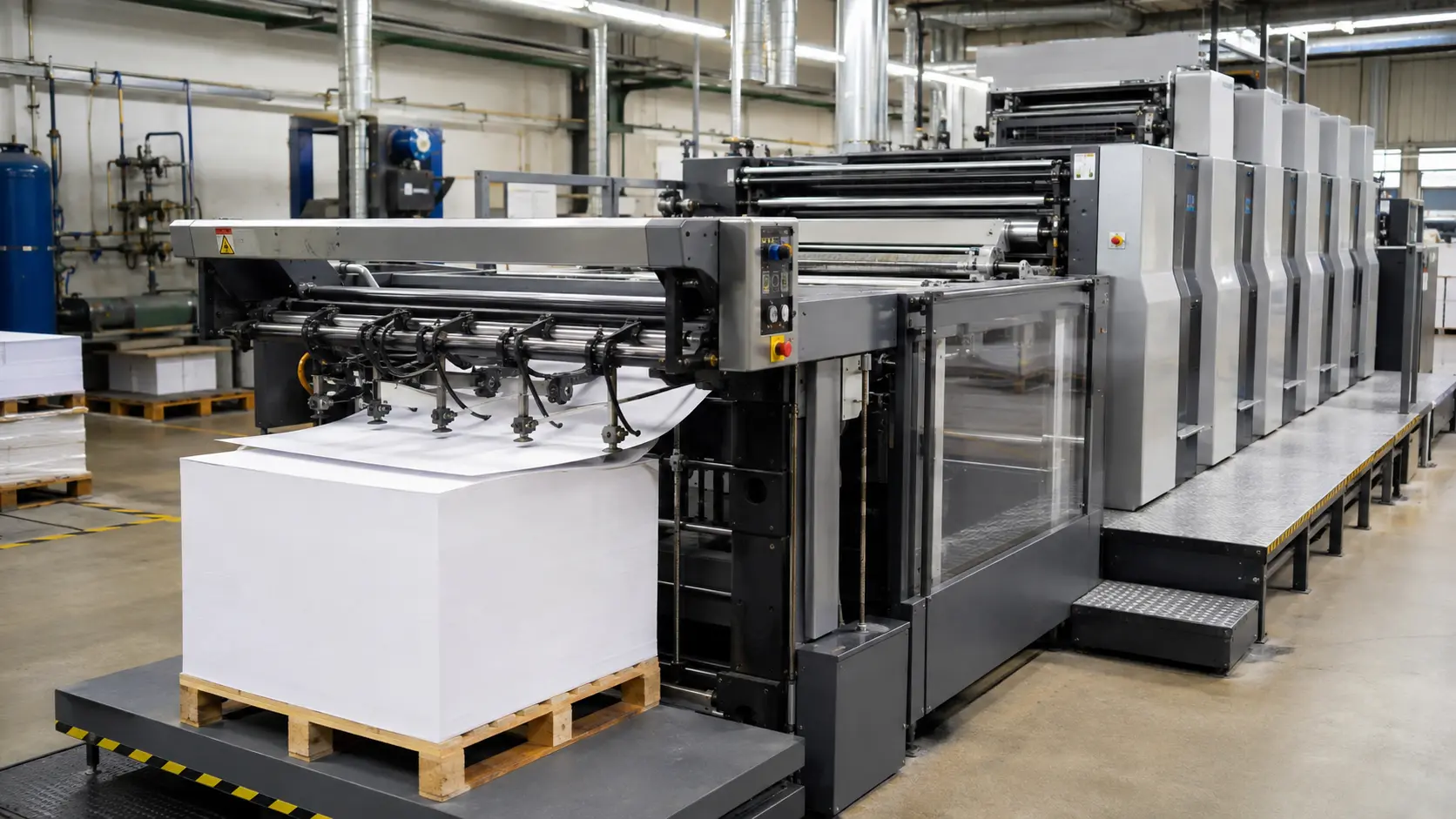
Porous substrates, changing formats, suction heads, trim ducts and filters create a dynamic load. The vacuum source and network must be checked at the real machine operating point.
Controlled suction supports reliable pickup and separation of suitable paper, board and packaging materials.
Vacuum tables, belts and cylinders hold or move the substrate through production steps.
High-flow conveying removes suitable edge trim and lightweight production waste through ducting.
Multiple presses or converting machines can share zoned, controlled vacuum generation.
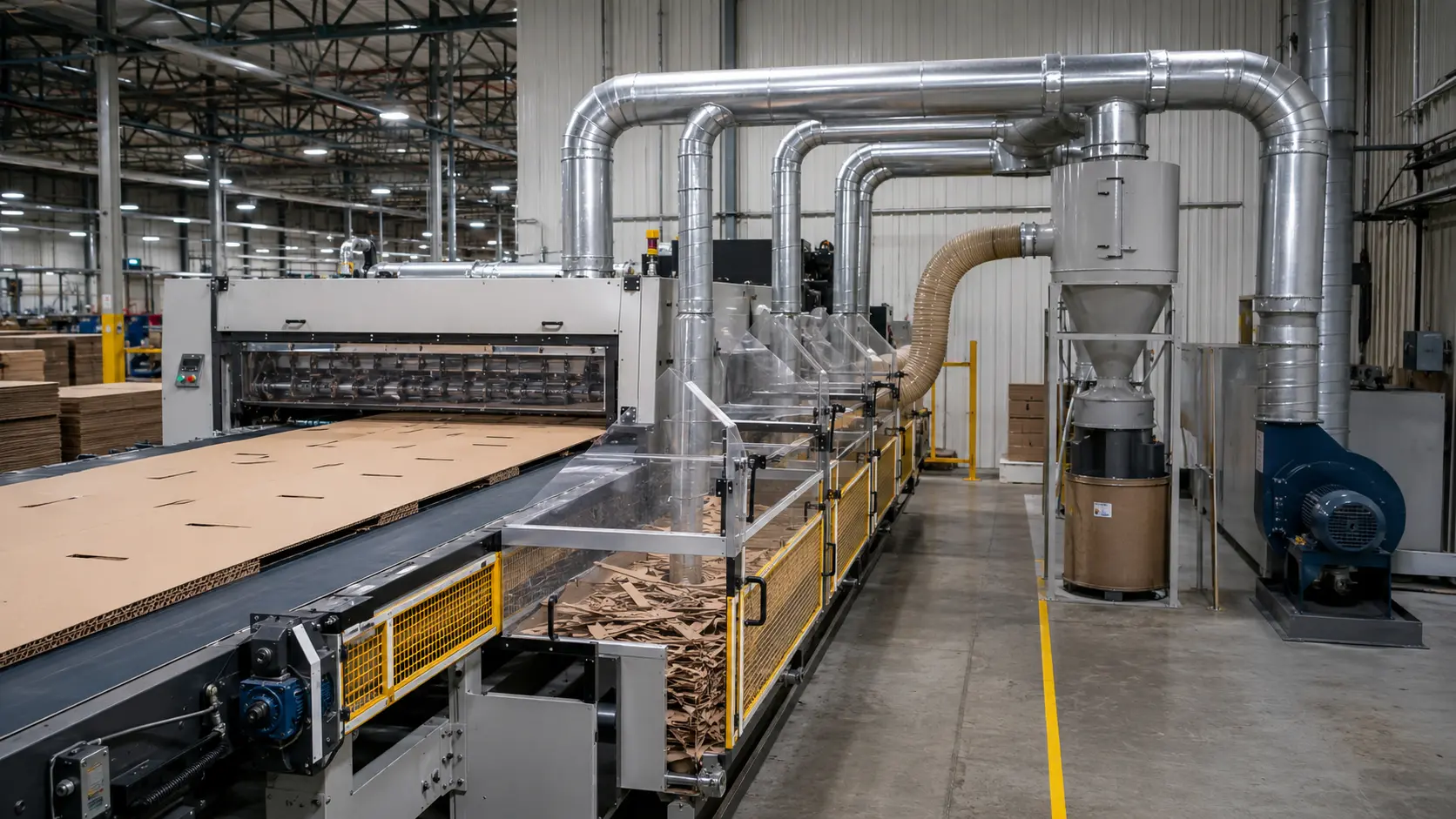
Trim width, material, throughput, duct diameter, distance, bends, separator and filter resistance determine the blower operating point.
Four inputs define the vacuum source and distribution arrangement.
Talk to Our Technical TeamProvide paper or board type, basis weight, dimensions, porosity and expected format changes.
Define production speed, pickup time, continuous or intermittent duty and simultaneous functions.
Estimate open suction area, tooling leakage and the operating vacuum needed at the machine.
Include line length, diameter, bends, filters, separators and trim-waste discharge equipment.
Blower stage and pump technology are selected from the required pressure, flow, leakage and duty cycle.
Published family ranges are indicative. Final selection must be checked at the actual operating pressure, gas or material load, temperature, duty cycle and installation conditions.
Reliable performance depends on the pump or blower, protection equipment, line arrangement, controls and the real process operating point.
Capacity and pressure are checked together at the actual inlet conditions and duty cycle.
Share Operating DataFilters, separators, condensers, receivers and valves are selected around moisture, particles, liquid carry-over and process risk.
Review the Process LoadPipework, controls, isolation, accessibility and redundancy are included in the final system architecture.
Explore Blowers & PumpsProvide material type, machine speed, vacuum functions, leakage, simultaneous demand, line geometry, filtration and trim-handling requirements.